Virginia | Theme

Memory

Interviewees:
  • Maggie Creech
    • Director of Education, Virginia Museum of History and Culture
  • James Herrera-Brookes
    • Melanie Trent De Schutter Senior Director of Research & Publications, Virginia Museum of History and Culture

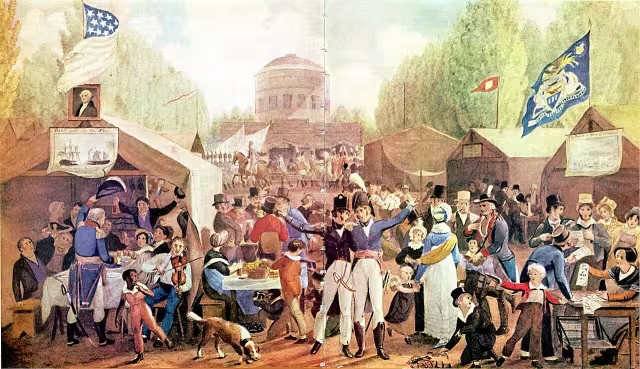
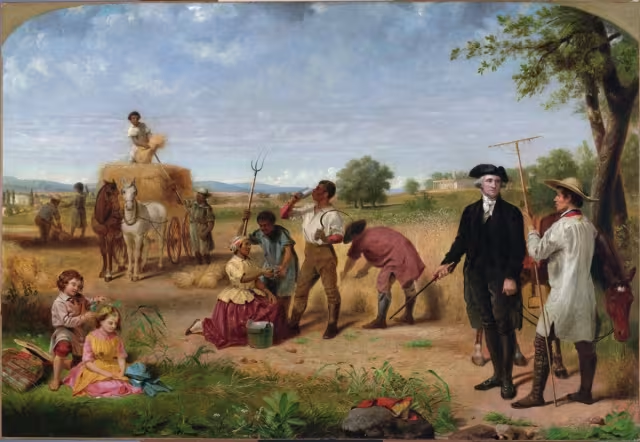
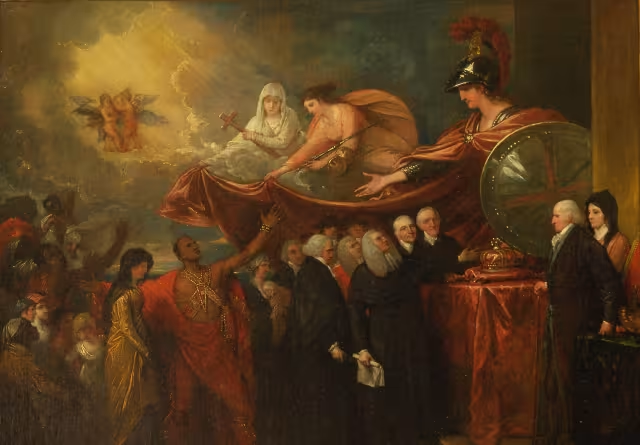
The Declaration’s memory unfolded across centuries of Virginia history. In the immediate aftermath, some Virginians commemorated both July 4, 1776 and the earlier April 19, 1775 Battle of Lexington and Concord, uncertain which date best defined the Revolution. The Manumission Act of 1782 inspired a wave of freedom documents in which enslavers—using language that referred to “the natural rights of all mankind”—echoed the Declaration’s preamble. Richard Rowell’s manumission deed is among those preserved in the Virginia Museum of History & Culture’s collections. Nineteenth-century July 4th celebrations featured barbecues, parades, and toasts, and the deaths of both Jefferson and John Adams on July 4, 1826, deepened the date’s mythic resonance. From Fort Monroe—where escaping enslaved people catalyzed the Emancipation Proclamation, to suffrage activists posing under the Capitol Square Washington statue, to Civil Rights Movement leaders including Roy Wilkins, whose 1958 speech invoked Patrick Henry’s “Give me liberty or give me death!” (held in the VMHC’s collection), the Declaration remained a contested but potent reference point in Virginia.
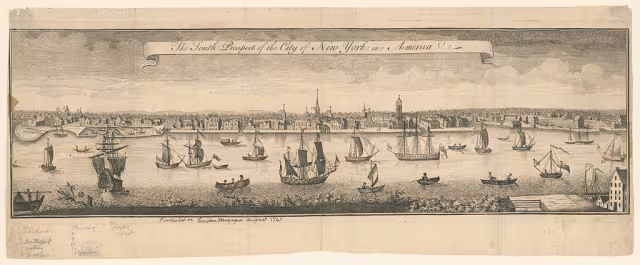
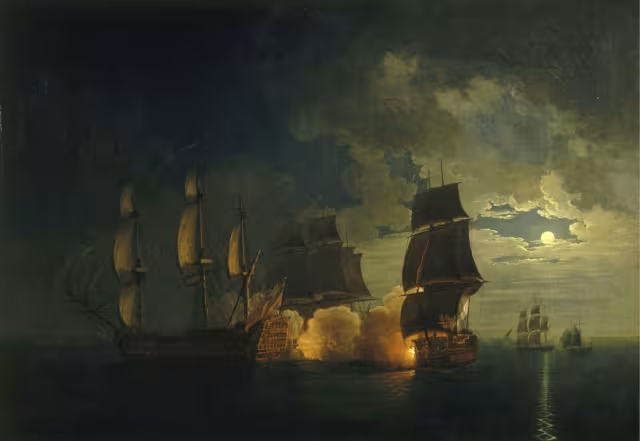
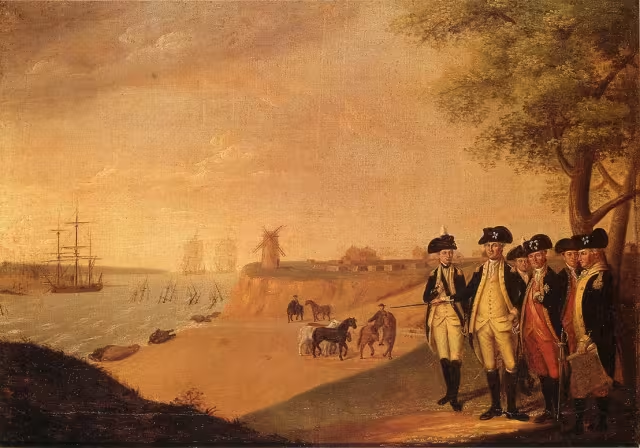
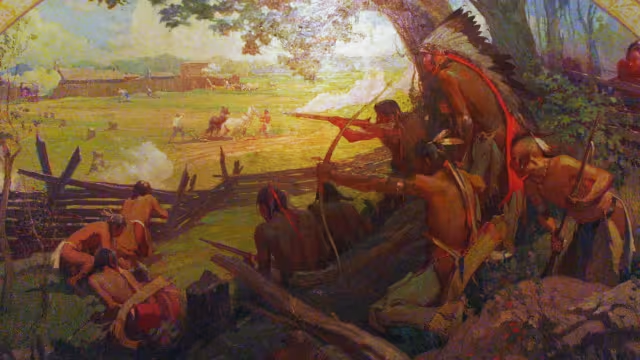
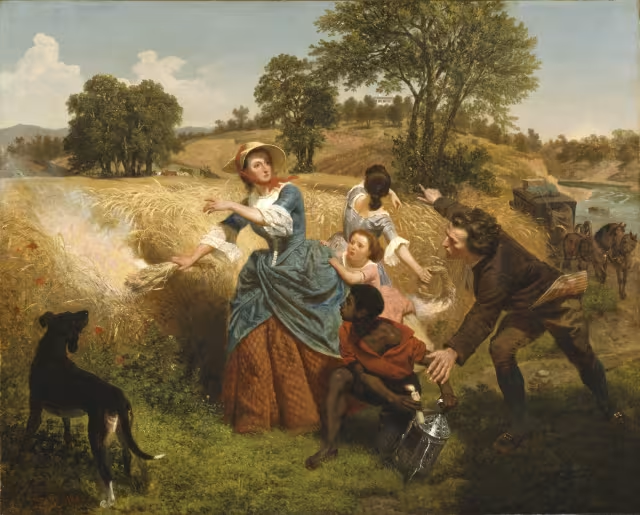
Virginia was the largest and most populous of the thirteen colonies, home to leading Patriots like Thomas Jefferson, Patrick Henry, and George Washington. It was also one of the most wealthy. Royal authority collapsed early when Lord Dunmore fled and issued his 1775 proclamation offering freedom to enslaved people who fought for Britain—the single most radicalizing event in the colony in the lead up to the American Revolution. By July 1776, Virginia had adopted George Mason's Declaration of Rights and a new state constitution, and news of independence drew jubilant crowds while committees of safety suppressed dissent. The Revolution's promise and its complexities ran deep: enslaved Virginians fled to British lines and fought for the British Army, while, at the same time, portions of enslaved and free Black Virginians fought for the Patriot cause, serving with distinction; women channeled Patriotism into boycotts and home-front management, while continuing to live under oppressive patriarchal norms; and Native nations like the Pamunkey and Shawnee made difficult diplomatic choices among competing powers. Across the centuries that followed, from emancipation to civil rights, Virginians of every background returned to the Declaration as a contested but enduring measure of the nation's ideals.

More Memory themes

View details
  • Connecticut

    Memory

    12:04 Just watched
  • Delaware

    Memory

    9:45 Just watched
  • Georgia

    Memory

    7:26 Just watched
  • Maryland

    Memory

    11:59 Just watched
  • Massachusetts

    Memory

    21:25 Just watched
  • New Hampshire

    Memory

    13:31 Just watched
  • New Jersey

    Memory

    5:22 Just watched
  • New York

    Memory

    8:05 Just watched
  • North Carolina

    Memory

    12:13 Just watched
  • Pennsylvania

    Memory

    7:52 Just watched
  • Rhode Island

    Memory

    29:40 Just watched
  • South Carolina

    Memory

    6:20 Just watched

More from Virginia

View details
  • Virginia

    Context

    27:42 Just watched
  • Virginia

    Declaration

    23:28 Just watched
  • Virginia

    African Americans

    7:50 Just watched
  • Virginia

    Elected officials

    7:01 Just watched
  • Virginia

    Indigenous people

    5:35 Just watched
  • Virginia

    Loyalists

    10:44 Just watched
  • Virginia

    Women

    8:24 Just watched
  • Connecticut
  • Delaware
  • Georgia
  • Maryland
  • Massachusetts
  • New Hampshire
  • New Jersey
  • New York
  • North Carolina
  • Pennsylvania
  • Rhode Island
  • South Carolina
  • Virginia

Perspectives

  • Women
  • African Americans
  • Loyalists
  • Indigenous people
  • Elected officials

About

How was national independence anticipated, debated, and enacted in each of the original 13 states during the American Revolution?

How has national independence, particularly the ideas articulated in the Declaration of Independence, been remembered and invoked over the last 250 years?

Learn more

Bookmarks

    No bookmarks yet. Bookmark a video to save it here.

    0