Virginia | Perspective

Indigenous people

Interviewees:
  • Maggie Creech
    • Director of Education, Virginia Museum of History and Culture
  • James Herrera-Brookes
    • Melanie Trent De Schutter Senior Director of Research & Publications, Virginia Museum of History and Culture

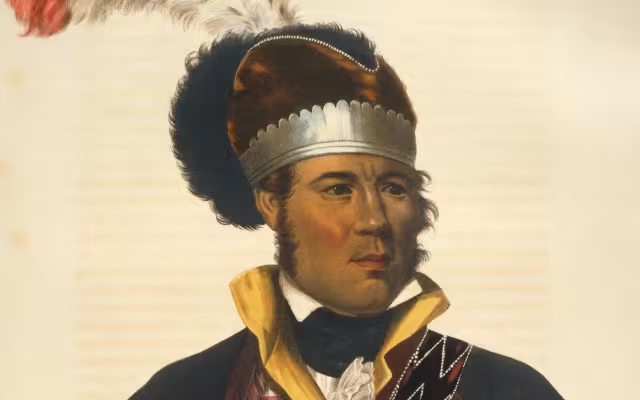
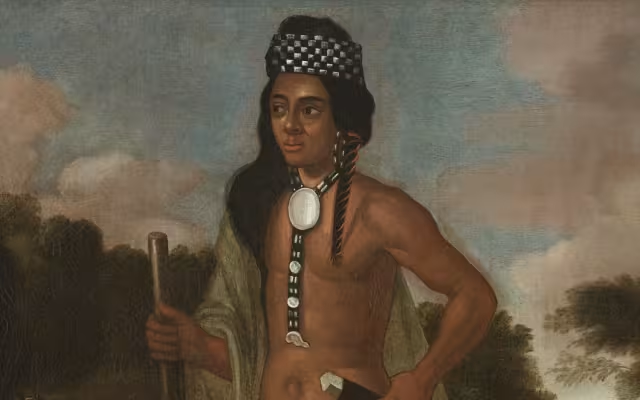
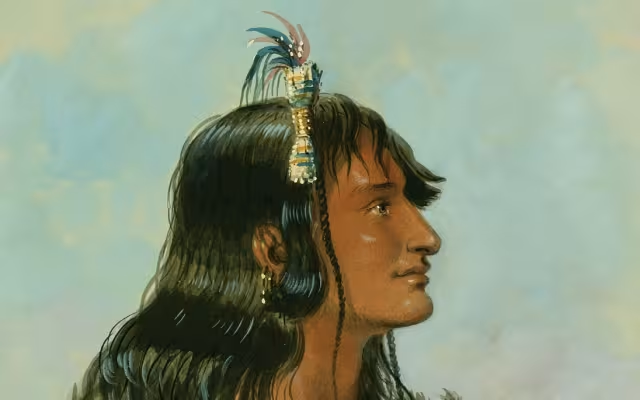
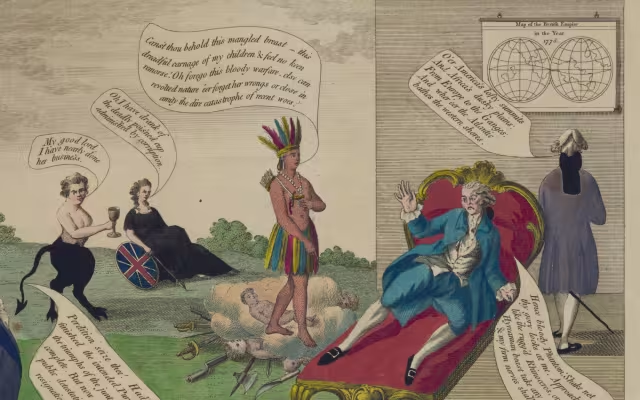
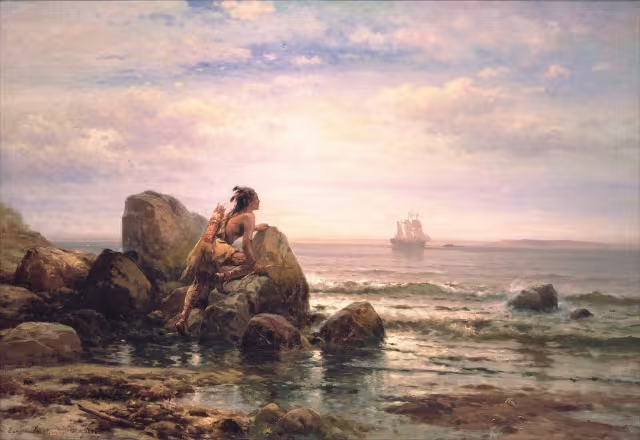
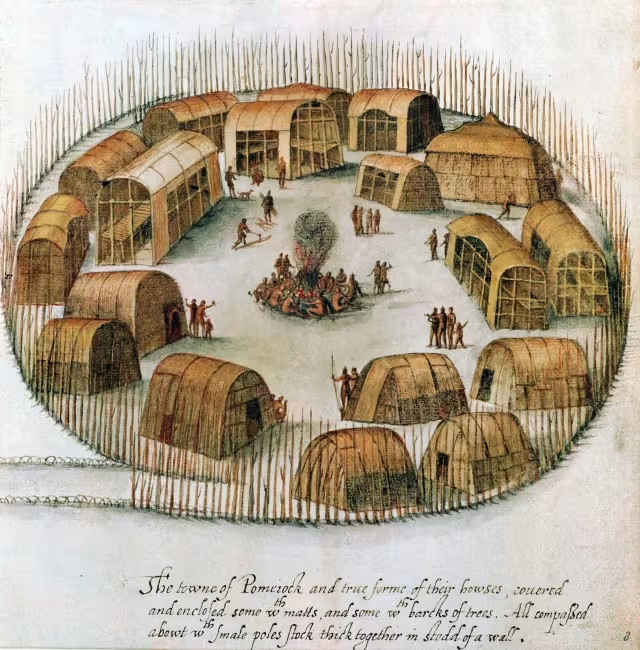
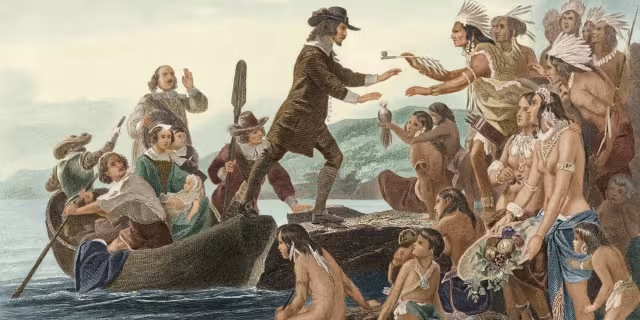
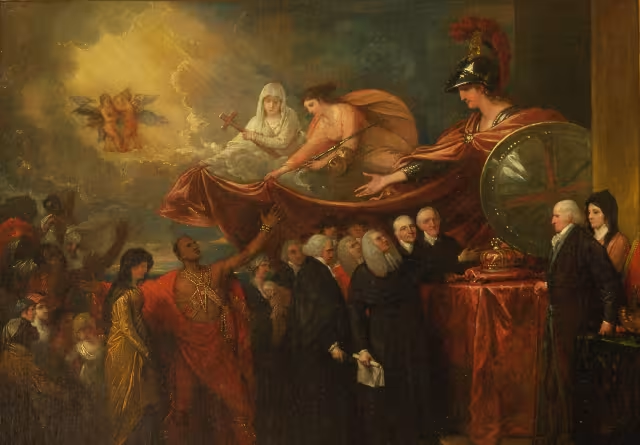
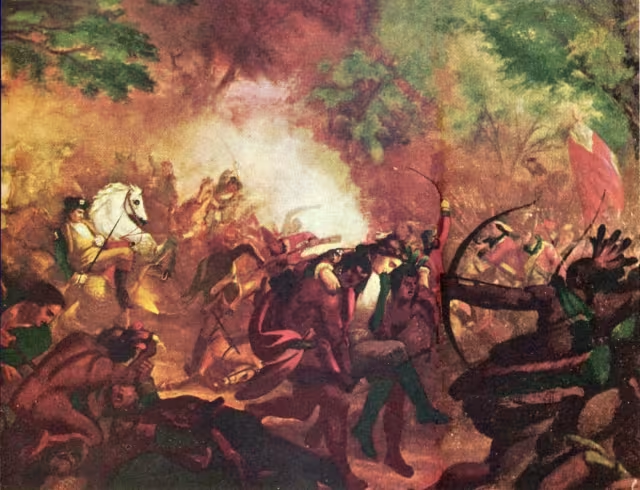
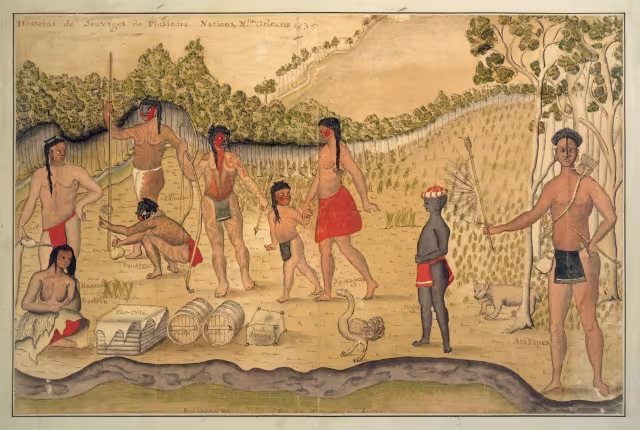
Indigenous responses to the Revolution varied sharply by location. The Pamunkey of Tidewater Virginia—some educated at the Brafferton School—chose to support the Patriot cause, breaking a longstanding treaty obligation to the British. By contrast, the Shawnee on Virginia’s western frontier clashed with colonists in Dunmore’s War of 1774, part of a broader pattern in which colonial demands for Indigenous land were themselves embedded in the grievances driving Revolution: the Declaration blamed the British for encouraging who the writers termed “merciless savages.” Dr. Ashley Atkins Spivey, an anthropologist of Indigenous peoples and member of the Pamunkey nation, emphasizes that Native nations were sovereign entities choosing among competing powers—not colonial subjects selecting sides. The Patriot victory ultimately accelerated the dispossession that Indigenous Virginians had long feared.
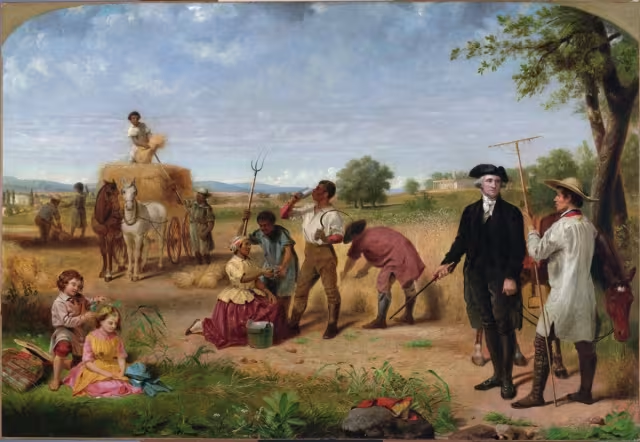
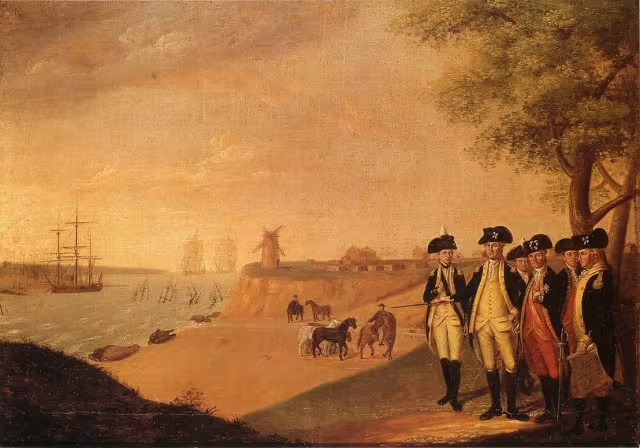
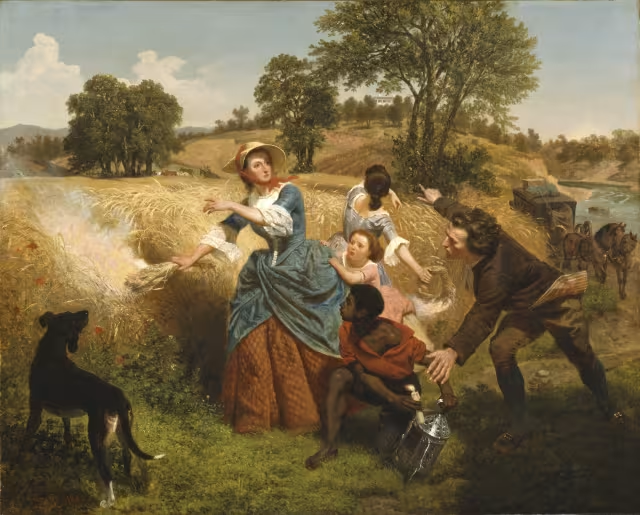
Virginia was the largest and most populous of the thirteen colonies, home to leading Patriots like Thomas Jefferson, Patrick Henry, and George Washington. It was also one of the most wealthy. Royal authority collapsed early when Lord Dunmore fled and issued his 1775 proclamation offering freedom to enslaved people who fought for Britain—the single most radicalizing event in the colony in the lead up to the American Revolution. By July 1776, Virginia had adopted George Mason's Declaration of Rights and a new state constitution, and news of independence drew jubilant crowds while committees of safety suppressed dissent. The Revolution's promise and its complexities ran deep: enslaved Virginians fled to British lines and fought for the British Army, while, at the same time, portions of enslaved and free Black Virginians fought for the Patriot cause, serving with distinction; women channeled Patriotism into boycotts and home-front management, while continuing to live under oppressive patriarchal norms; and Native nations like the Pamunkey and Shawnee made difficult diplomatic choices among competing powers. Across the centuries that followed, from emancipation to civil rights, Virginians of every background returned to the Declaration as a contested but enduring measure of the nation's ideals.

More Indigenous people perspectives

View details
  • Connecticut

    Indigenous people

    10:58 Just watched
  • Delaware

    Indigenous people

    3:11 Just watched
  • Georgia

    Indigenous people

    2:36 Just watched
  • Maryland

    Indigenous people

    1:20 Just watched
  • Massachusetts

    Indigenous people

    3:34 Just watched
  • New Hampshire

    Indigenous people

    3:49 Just watched
  • New York

    Indigenous people

    4:24 Just watched
  • North Carolina

    Indigenous people

    4:28 Just watched
  • Pennsylvania

    Indigenous people

    2:43 Just watched
  • Rhode Island

    Indigenous people

    5:31 Just watched
  • South Carolina

    Indigenous people

    2:58 Just watched

More from Virginia

View details
  • Virginia

    Context

    27:42 Just watched
  • Virginia

    Declaration

    23:28 Just watched
  • Virginia

    Memory

    20:20 Just watched
  • Virginia

    African Americans

    7:50 Just watched
  • Virginia

    Elected officials

    7:01 Just watched
  • Virginia

    Loyalists

    10:44 Just watched
  • Virginia

    Women

    8:24 Just watched
  • Connecticut
  • Delaware
  • Georgia
  • Maryland
  • Massachusetts
  • New Hampshire
  • New Jersey
  • New York
  • North Carolina
  • Pennsylvania
  • Rhode Island
  • South Carolina
  • Virginia

Perspectives

  • Women
  • African Americans
  • Loyalists
  • Indigenous people
  • Elected officials

About

How was national independence anticipated, debated, and enacted in each of the original 13 states during the American Revolution?

How has national independence, particularly the ideas articulated in the Declaration of Independence, been remembered and invoked over the last 250 years?

Learn more

Bookmarks

    No bookmarks yet. Bookmark a video to save it here.

    0