Rhode Island
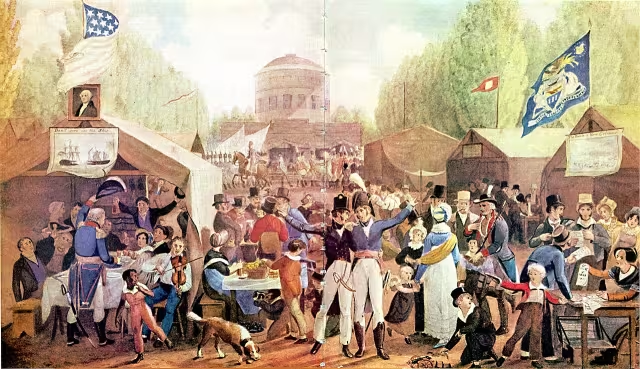
Rhode Island's Revolutionary identity grew from its 1663 Royal Charter, which enshrined separation of church and state and a remarkable degree of self-governance. A fiercely independent, merchant-driven colony, Rhode Island challenged British authority early—from Stephen Hopkins's pamphlets to the burning of the Gaspee in 1772—and renounced allegiance to the King on May 4, 1776, two months before Congress declared independence. When the Declaration arrived in Rhode Island, it was reprinted and sent to all thirty-nine town clerks to be read aloud and was celebrated with thirteen volleys and thirteen toasts. Bristol has hosted the nation's longest continuously running Fourth of July celebration since 1785. Other historical items of note: women organized the Providence Tea Party; Newport anchored the colony's Loyalists; and Rhode Island—with New England's highest proportion of enslaved people—formed the First Rhode Island Regiment of African Americans and Indigenous men. The regiment fought in several major battles, including the Battle of Yorktown.
- Rhode Island
Context
- Rhode Island
Declaration
- Rhode Island
Memory
- Rhode Island
African Americans
- Rhode Island
Elected officials
- Rhode Island
Indigenous people
- Rhode Island
Loyalists
- Rhode Island
Women