New York
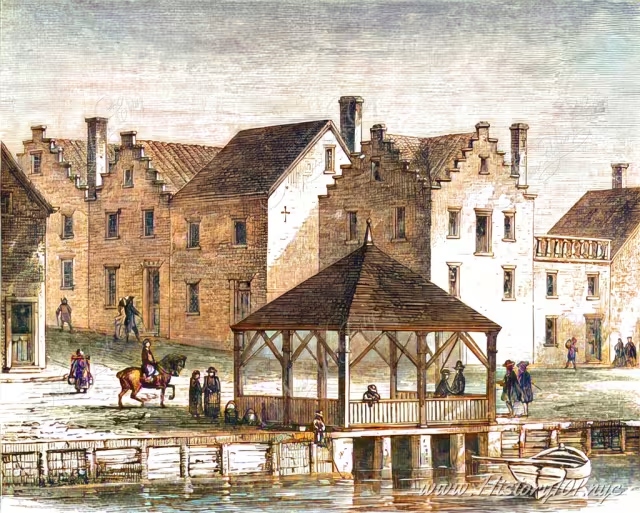
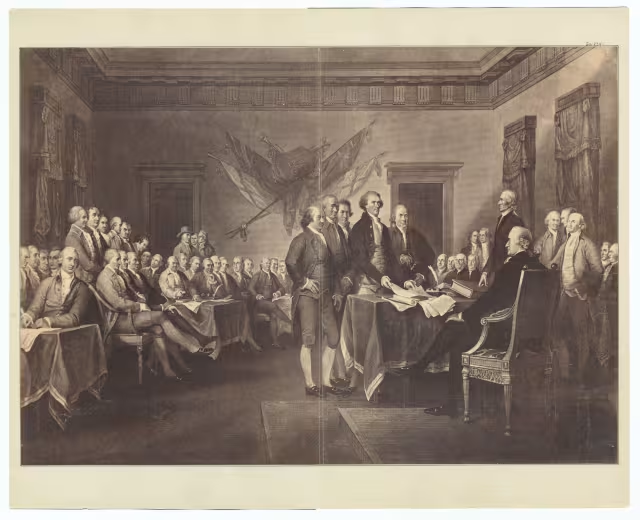
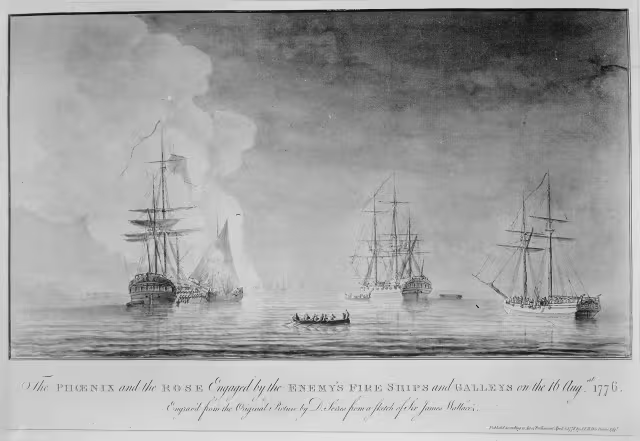
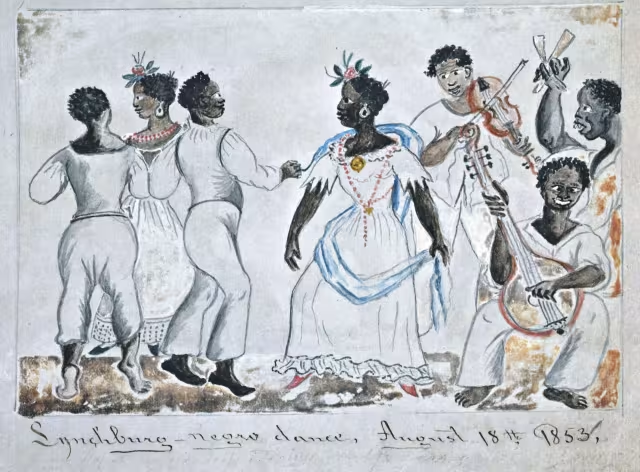
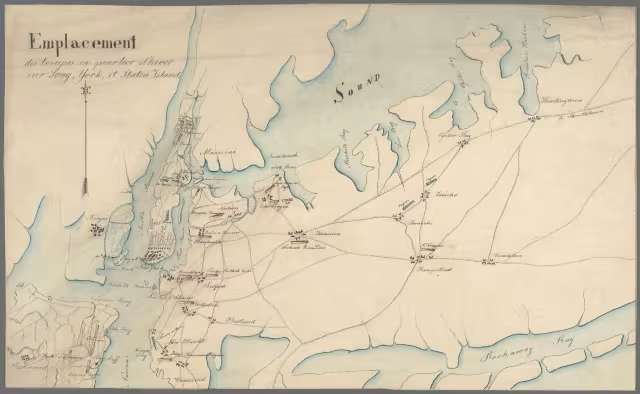
New York was cosmopolitan, mercantile, and arguably the most Loyalist of the colonies, with its merchant class bound to Britain by trade. It was among the slowest to embrace independence, acknowledging the Declaration only on July 9, 1776, after which crowds toppled the nearby gilded statue of King George III and melted it down for ammunition. Soon after, the British army captured New York City and made it its military headquarters. The city remained occupied for seven years. The state produced contrasting leaders in Alexander Hamilton and George Clinton, vivid voices like the Quaker poet Hannah Lawrence, and fluid loyalties embodied by printer James Rivington. Slavery was omnipresent in New York City as well as in rural areas of the state. Black Loyalists like Boston King self-emancipated to British-occupied New York City and faced acute uncertainty about their postwar future. Upstate, the war fractured the Haudenosaunee Confederacy, and the second Treaty of Fort Stanwix saw Americans negotiate in the posture of conquerors rather than equals.
- New York
Context
- New York
Declaration
- New York
Memory
- New York
African Americans
- New York
Elected officials
- New York
Indigenous people
- New York
Loyalists
- New York
Women