Virginia
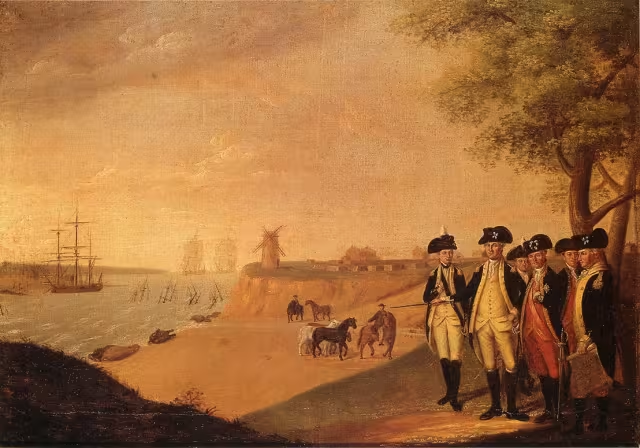
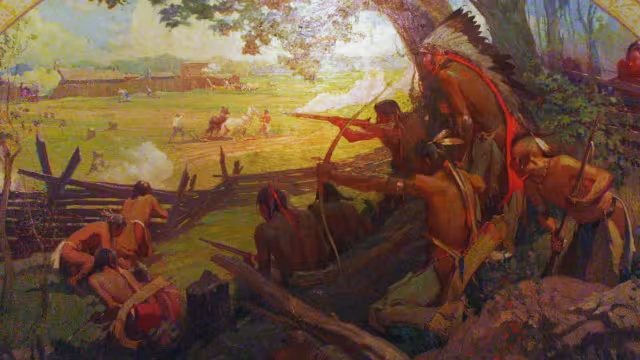
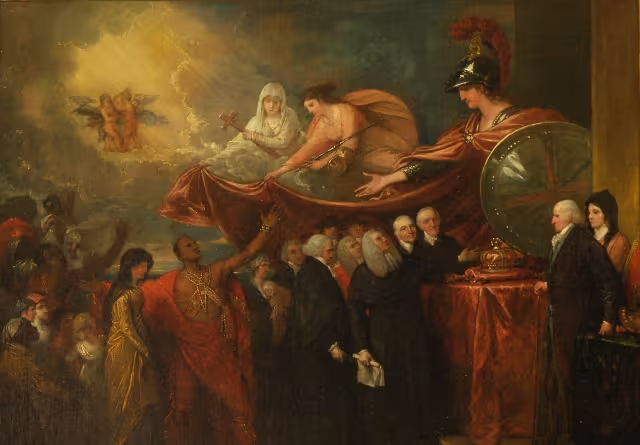
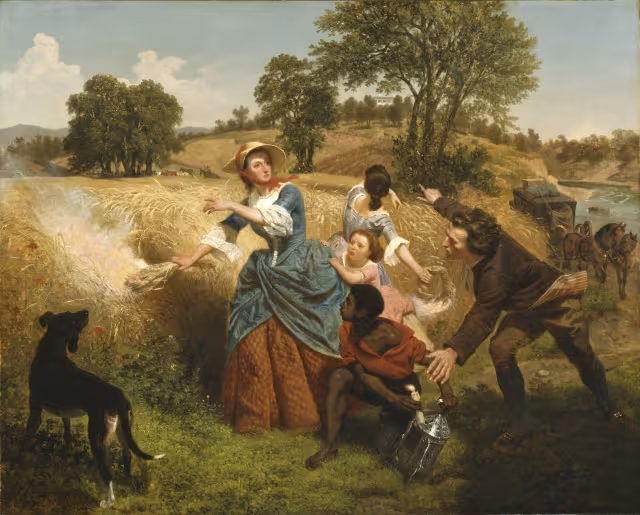
Virginia was the largest and most populous of the thirteen colonies, home to leading Patriots like Thomas Jefferson, Patrick Henry, and George Washington. It was also one of the most wealthy. Royal authority collapsed early when Lord Dunmore fled and issued his 1775 proclamation offering freedom to enslaved people who fought for Britain—the single most radicalizing event in the colony in the lead up to the American Revolution. By July 1776, Virginia had adopted George Mason's Declaration of Rights and a new state constitution, and news of independence drew jubilant crowds while committees of safety suppressed dissent. The Revolution's promise and its complexities ran deep: enslaved Virginians fled to British lines and fought for the British Army, while, at the same time, portions of enslaved and free Black Virginians fought for the Patriot cause, serving with distinction; women channeled Patriotism into boycotts and home-front management, while continuing to live under oppressive patriarchal norms; and Native nations like the Pamunkey and Shawnee made difficult diplomatic choices among competing powers. Across the centuries that followed, from emancipation to civil rights, Virginians of every background returned to the Declaration as a contested but enduring measure of the nation's ideals.
- Virginia
Context
- Virginia
Declaration
- Virginia
Memory
- Virginia
African Americans
- Virginia
Elected officials
- Virginia
Indigenous people
- Virginia
Loyalists
- Virginia
Women