Connecticut
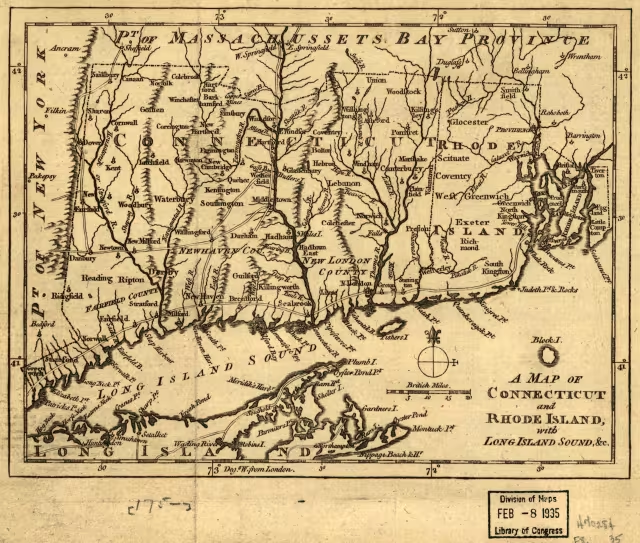
Connecticut's fierce commitment to independence sprang from its cherished 1662 charter, which granted an elected governor and an independent judiciary. On June 14, 1776, the Connecticut General Assembly met in Hartford and passed its own resolution for independence. Governor Jonathan Trumbull Sr. was the only colonial governor to back the Patriot cause throughout the entire Revolutionary War. During the war, Connecticut’s farm economy pivoted to supplying the Continental Army, earning the nickname “the Provisions State.” Four Connecticut delegates to the Continental Congress signed the Declaration of Independence, including Roger Sherman, the only founder to sign all four foundational documents. High literacy allowed women like Hannah Bunce Watson, who ran a pro-Revolution newspaper, to create a rich documentary record. African Americans took names like Freedom and Liberty and sued for their freedom, and the state's Native peoples—among the most enthusiastic Patriots—served in the military in large numbers, yet lost reservation lands after the war.
- Connecticut
Context
- Connecticut
Declaration
- Connecticut
Memory
- Connecticut
African Americans
- Connecticut
Elected officials
- Connecticut
Indigenous people
- Connecticut
Loyalists
- Connecticut
Women