Massachusetts
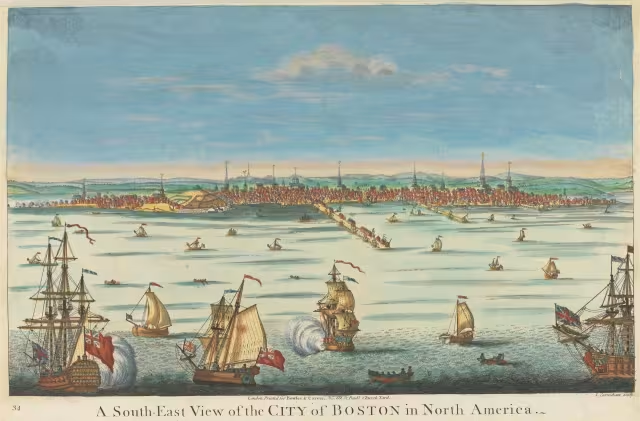
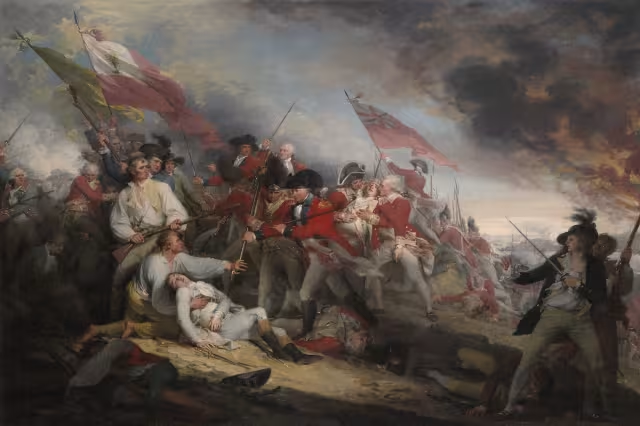
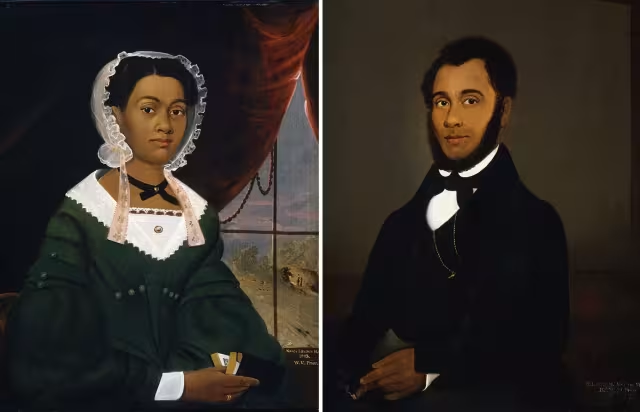
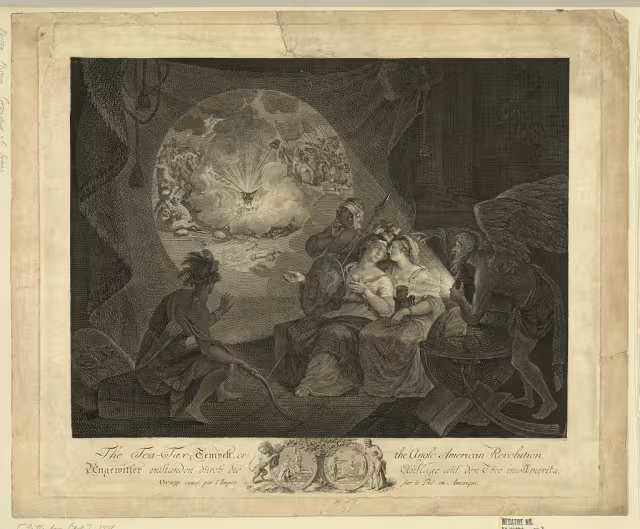
Massachusetts was the intellectual and commercial engine of colonial resistance, where a thriving print culture and a powerful merchant class made Boston the early center of opposition to British taxation. The Stamp Act, the Boston Tea Party, and the Coercive Acts led to the Battle of Lexington and Concord and the British evacuation in March 1776, which suggested that victory over the world's greatest empire was possible. When the Declaration of Independence arrived in Massachusetts, it was read from the State House balcony and ordered read in every church, though Loyalists denounced it. John Adams, the “Atlas of Independence,” shaped both the vote for separation and the model constitutions that followed. Educated women including Abigail Adams and Mercy Otis Warren became indispensable chroniclers of the Revolutionary era, while African Americans waged a sustained campaign of freedom petitions—led by Prince Hall—that helped end slavery in the state. In 1776, the Massachusetts Council signed the Treaty of Watertown, which established a military alliance between the state and several northeastern Native nations.
- Massachusetts
Context
- Massachusetts
Declaration
- Massachusetts
Memory
- Massachusetts
African Americans
- Massachusetts
Elected officials
- Massachusetts
Indigenous people
- Massachusetts
Loyalists
- Massachusetts
Women