Theme
Context
The thirteen colonies that declared independence in 1776 were not a uniform society but a mosaic of distinct regional economies, populations, and political cultures. This diversity shaped how each colony arrived at, and experienced, the Revolution. What united these disparate places was a shared experience of tightening British control after 1763, growing resentment of taxation without representation, and the rapid and extensive circulation of protest pamphlets—including John Dickinson’s Letters from a Farmer In Pennsylvania (1767-68) and Thomas Paine's Common Sense (1776)—that reframed colonial grievances as a universal struggle for self-governance.
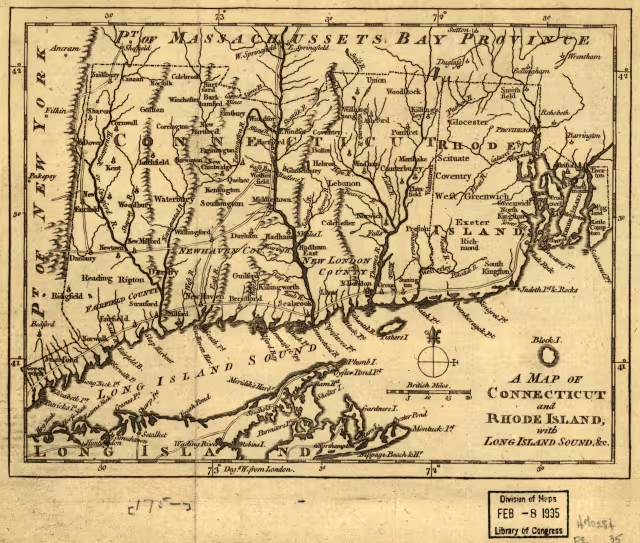
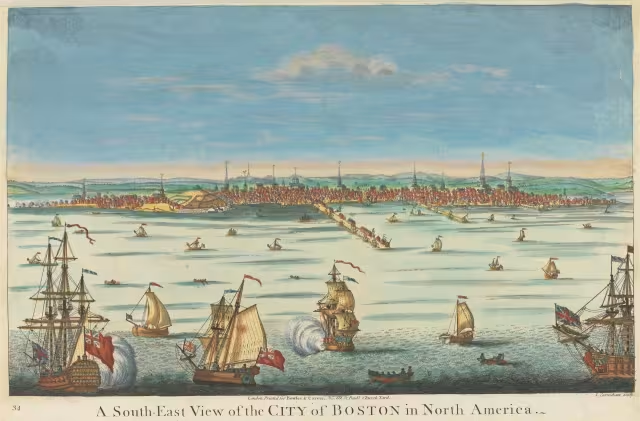
Massachusetts served as the intellectual engine of colonial resistance, its thriving print culture and powerful merchant class driving protests from the 1765 Stamp Act onward. Connecticut prized the extraordinary self-governance their 1663 royal charters had secured, while New Hampshire chafed under an Anglican oligarchy and had already drafted its own state constitution by January 1776. Other colonies—notably New York, New Jersey, and South Carolina—showed significant division, their geographic exposure to British naval power and commercial dependence on the empire making independence a more fraught calculation.
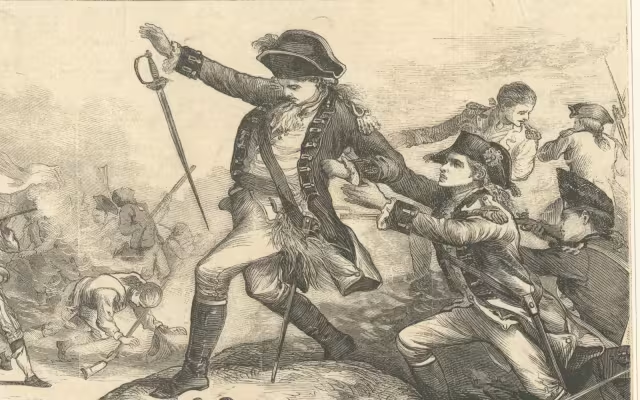
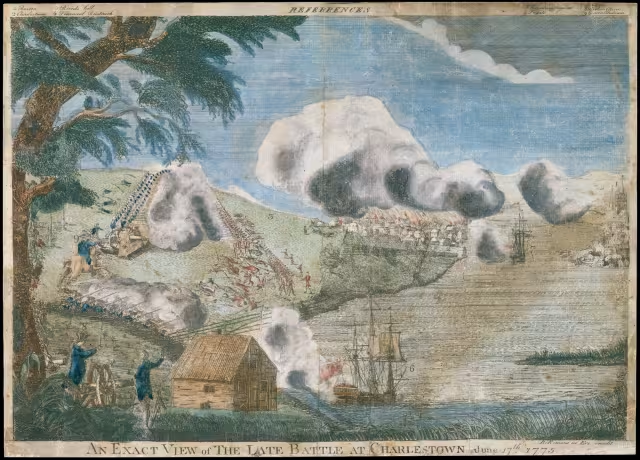
Localized Anglo-American conflicts also contributed to localized distinctions in Patriotic fervor. The Gaspee Affair in Rhode Island, the Battle of Lexington and Concord in Massachusetts, and the Gunpowder Incident in Virginia—all of which occurred before 1776—had significant galvanizing effects on the local populations.
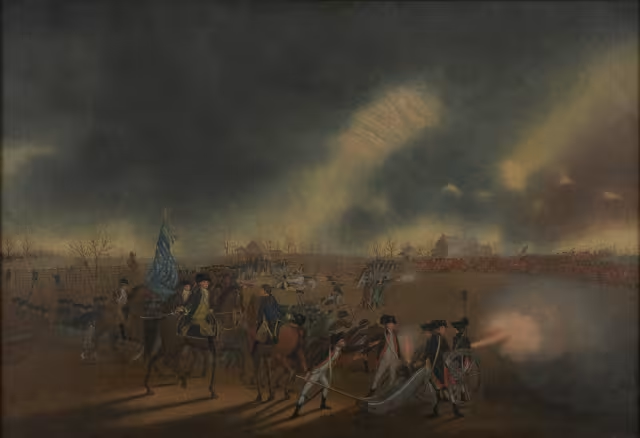
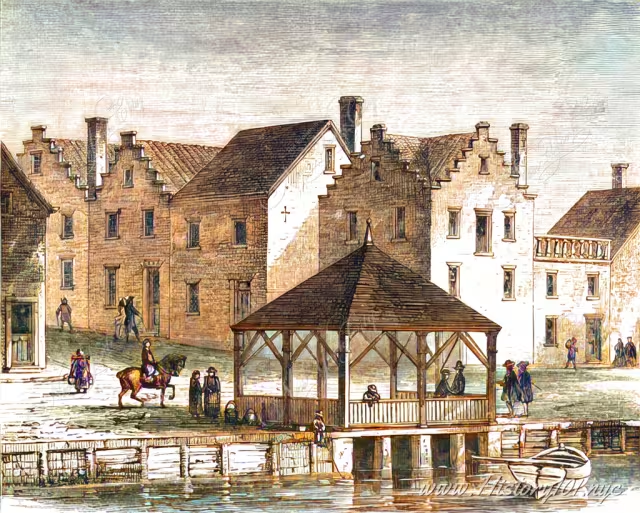
Image source: “Market Square, Germantown, Pennsylvania,” by William Britton, © National Gallery of Art.